
The Options Expiration Week Effect: Backtested Evidence and Trading Strategy Ideas

Today, we look at the options expiration week effect. We look at the backtested evidence and provide trading strategy ideas.
The options expiration week is abbreviated OPEX.
What is OPEX Day and Why Does it Matter?
In the United States, and in most EU countries, standard monthly stock options expire on the third Friday of every month, which is more precisely defined as the Friday before the third Saturday.
The chart below shows the number of days to the third Friday of the week:
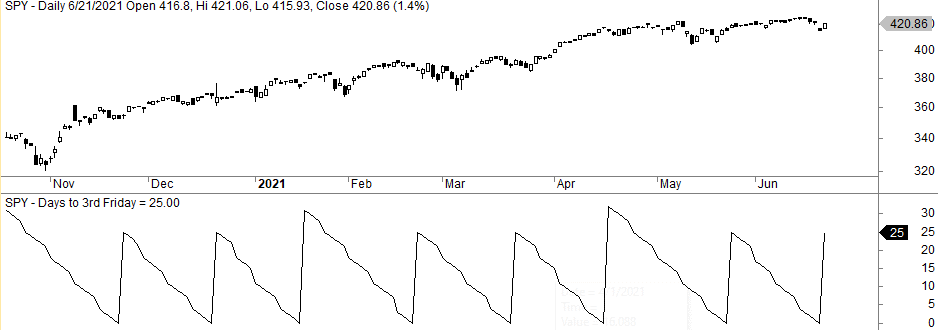
This recurring event is known as monthly options expiration, or OPEX day.
It is a significant period for market participants because it often leads to increased market volatility, high trading volumes, and complex hedging activities by market makers. If the scheduled Friday is a public holiday, the expiration date is moved to the preceding Thursday.
The OPEX day is also a good day to day trade stocks. We have provided a Note on how we trade this day. On average, it has been the best day of the month for decades.
Backtesting the Options Expiration Week Effect
Historical data shows that the S&P 500 tends to exhibit above-average returns during the week leading up to expiration, often called OPEX week. A simple quantified strategy involves buying S&P 500 stocks at the open of the options expiration week and selling them at the close of the expiration day.
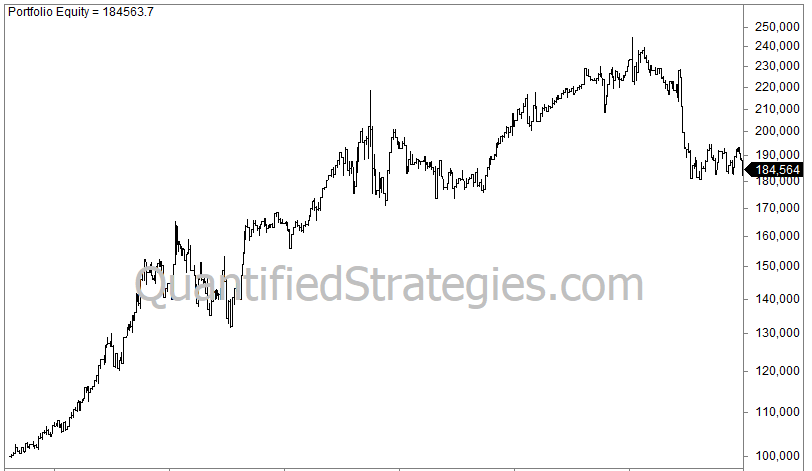
Backtesting this strategy has revealed several key insights:
Performance Metrics: The strategy produced a compound annual growth rate (CAGR) of 2% and an average weekly gain of 0.2%.
Time in Market: Traders are only invested approximately 18% of the time, meaning the returns are concentrated in a short window.
Historical Context: This effect has been most prominent from 1990 onward, coinciding with the rise of derivatives as major trading vehicles.
Monthly Seasonality: Performance varies significantly by month; April is historically the strongest month for this effect, while July and January have frequently shown negative returns.
Fading returns? The options expiration week effect has deteriorated over the last four years. Is the edge already in the history book?
How Stocks Perform on the Actual OPEX Day
Despite the historical bullishness of the week as a whole, the performance on the specific OPEX day, measured from the close of the day before to the close of the expiration Friday, is historically poor. A backtest using the SPY ETF (S&P 500) shows:
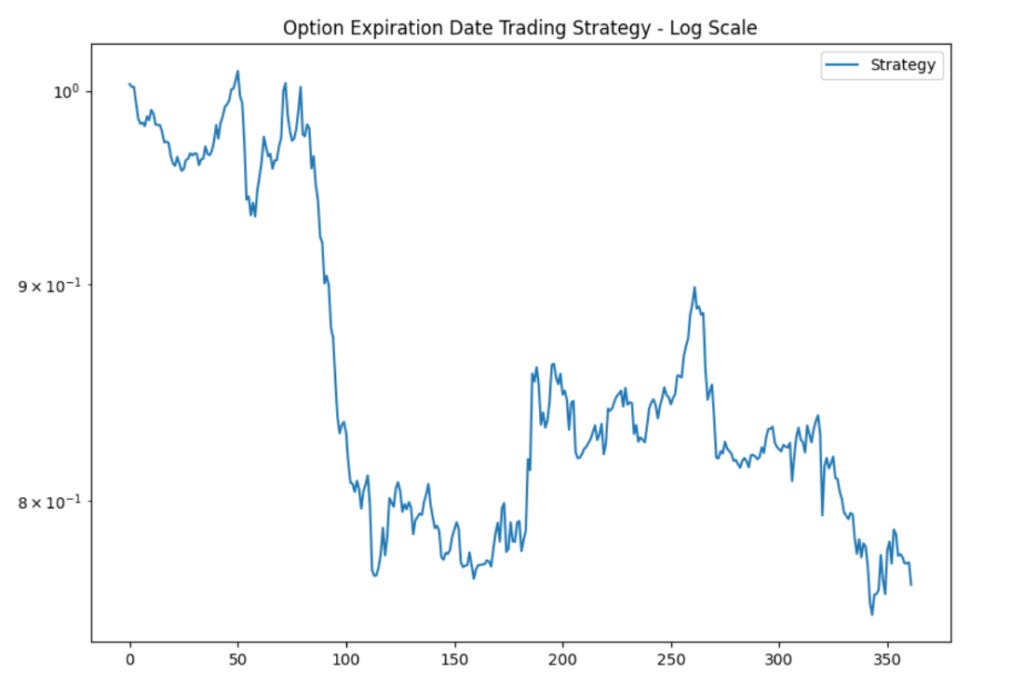
Compounded Returns: -23.55%.
Win Rate: A low 51.4%.
Average Loss: The average loss on these days is -0.77%, while the average win is only 0.60%.
Even when adding a technical filter, such as only buying if the SPY is above its 50-day moving average, the returns for the single expiration day remain negative.
Trading Strategy Ideas: The May 2022 Monthly Edge
To improve upon the basic weekly effect, traders often utilize more refined parameters.
One example of an enhanced approach is our monthly trading edge for May 2022 for XLU and XLV:
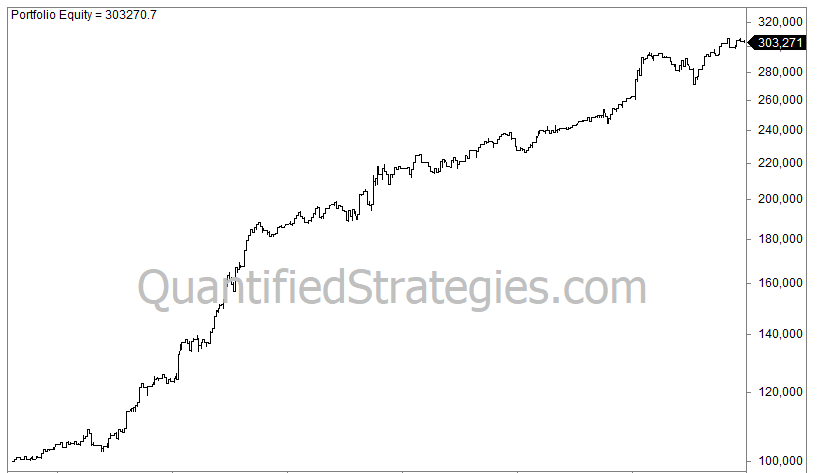
This strategy functions as an overnight trading strategy, holding positions from one day to the next.
This was all we had for the options expiration week effect.
If you prefer visual content, I’ve shared a shorter, visual version of this strategy on Instagram and Facebook.
https://www.instagram.com/reels/DWGb2WZjpI9/
https://www.facebook.com/share/v/1ECcJrceSR/